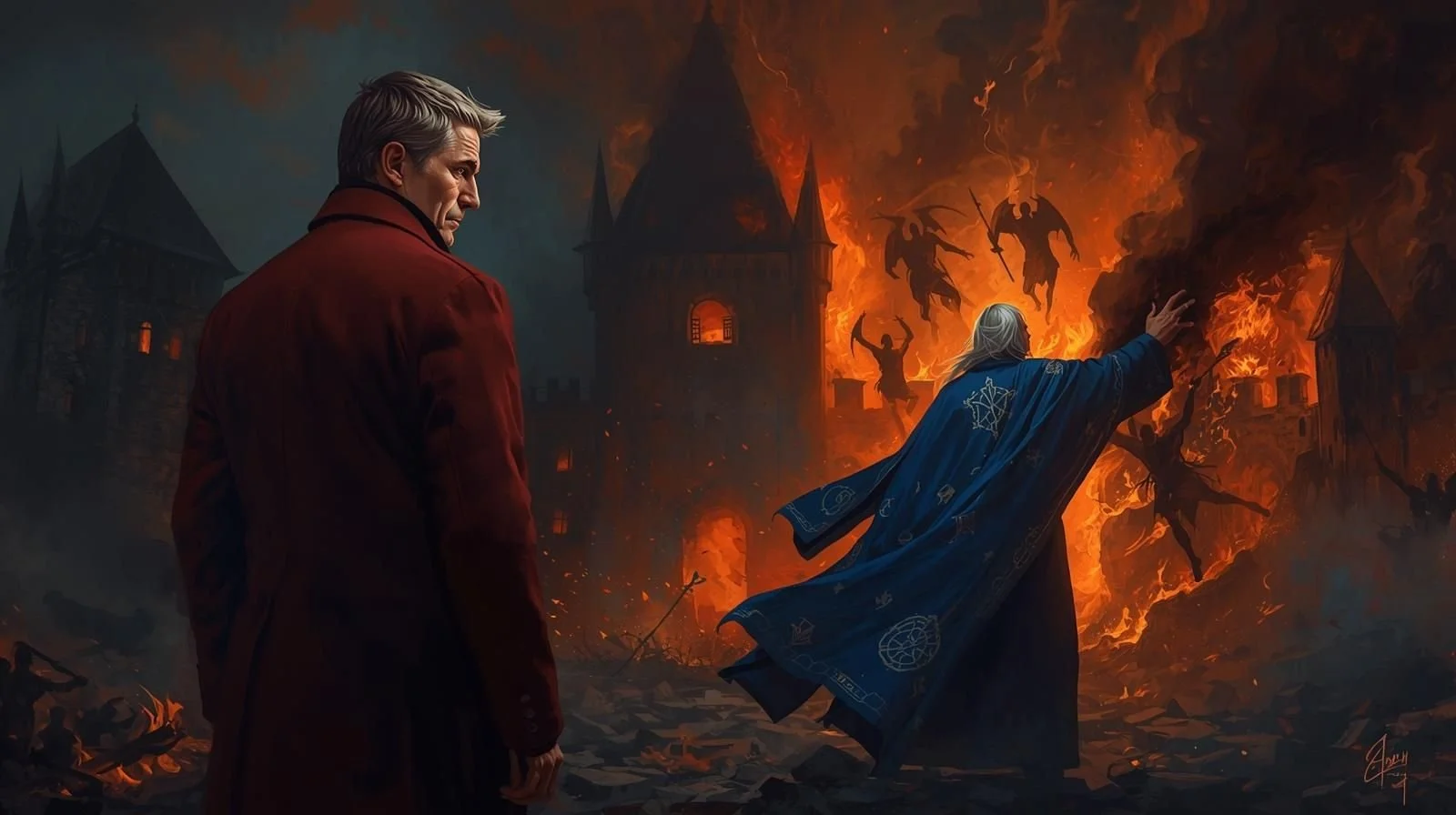
INFERNO, Episode 43. Being Human In Hell: Inferno, Canto VIII, Lines 97 - 130

Dante the pilgrim is left alone at the walls of Dis. But more importantly, this passage from INFERNO may be the most human since the opening lines of Canto I. So much is changing! Virgil is getting a backstory. Virgil is developing interiority (or an inner emotional space). Virgil is becoming more fatherly. All at the moment when he abandons the pilgrim—and maybe the poet, too.

Read More
Mark ScarbroughComment
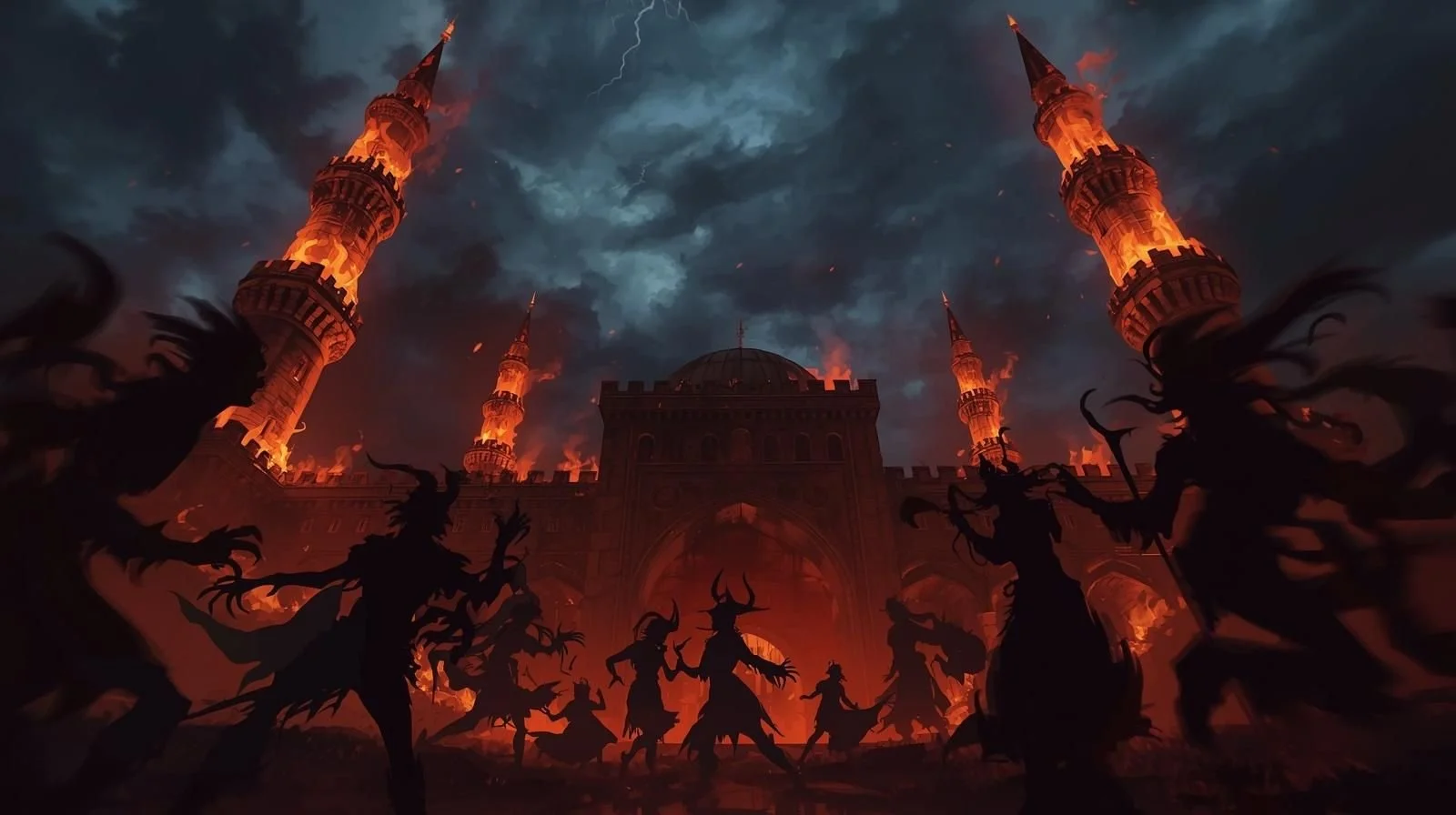
INFERNO, Episode 42. The Walls Of Dis And The Limits Of Virgil's Imagination: Inferno, Canto VIII, Lines 64 - 96

Dante-the-pilgrim and Virgil come to an important barrier in hell: the walls of Dis, the geopolitical center of INFERNO. But Dante-the-poet also comes to an important barrier. Aeneas doesn’t enter Dis in THE AENEID. We have reached the limits of Virgil-the-poet’s imagination. But not Dante’s. He will eventually go where his master can’t.

Read More
Mark ScarbroughComment
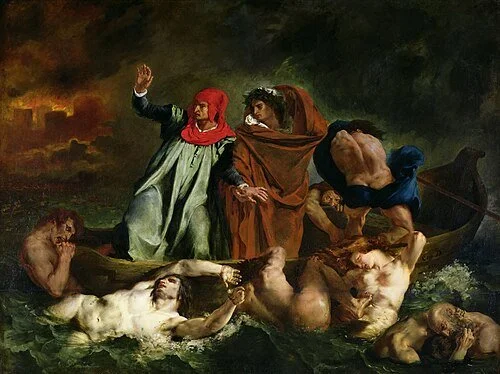
INFERNO, Episode 41. Angry Among The Angry: Inferno, Canto VIII, Lines 31 - 63

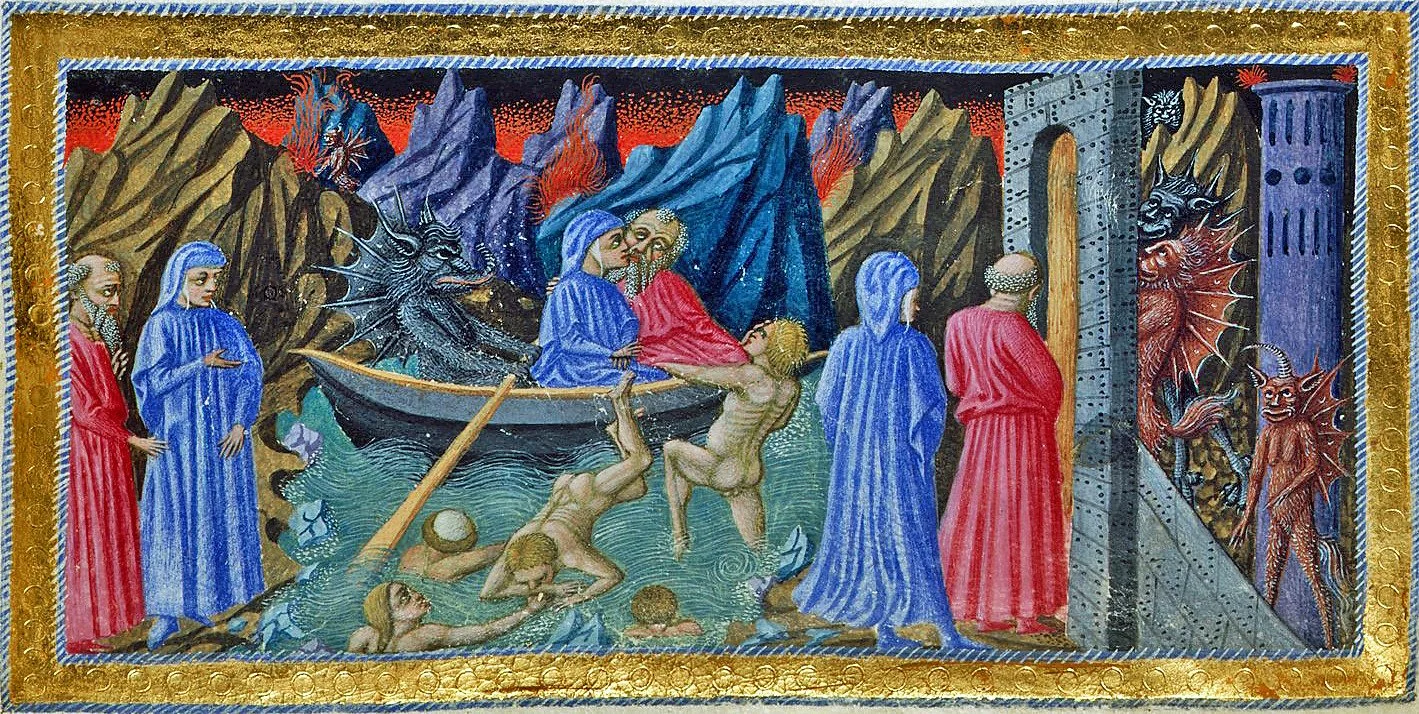
Our pilgrim, Dante, and his guide, Virgil, are on a boat across the Styx in the fifth circle of hell when a damned soul rises out of the muck and threatens them. This passage is packed with interpretive nuggets: Bible verses, personal vendetta, call-outs to previous cantos, set-ups for subsequent cantos. But most importantly, this passage is about story. The poet is settling into his form. And the results are nothing short of revolutionary.

Read More
Mark ScarbroughComment
INFERNO, Episode 39. Dante Is The Poet Who Stands Between The Classical And Modern Worlds: Inferno, Canto VIII, Lines 7 - 30

The fifth circle. The wrathful. Except where are the damned? Not here. Instead, this passage is full of all sorts of problems: it opens with a scene of interpreting, it leads out to a rather obscure figure from classical literature, and it finishes up by putting the pilgrim firmly in his body. Dante-the-poet is never satisfied. His art is ever-changing. And it’s finally settled into the very thing that will make it last: storytelling.

Read More
Mark ScarbroughComment
INFERNO, Episode 37. The Biggest Crack In Hell Is In The Poetry, Not The Landscape: Inferno, Canto VIII, Lines 1 - 6

The famous break! It’s at this point that many see a stop-restart in the poem. True, it does back up, just about the only time the poem does. And true, Boccaccio tried to explain the break with a story. But perhaps we don’t need his story. Perhaps we can understand the shifting dynamics of the poem the poet needs to write by looking at the poem itself and how it carries on from this point.

Read More
Mark ScarbroughComment