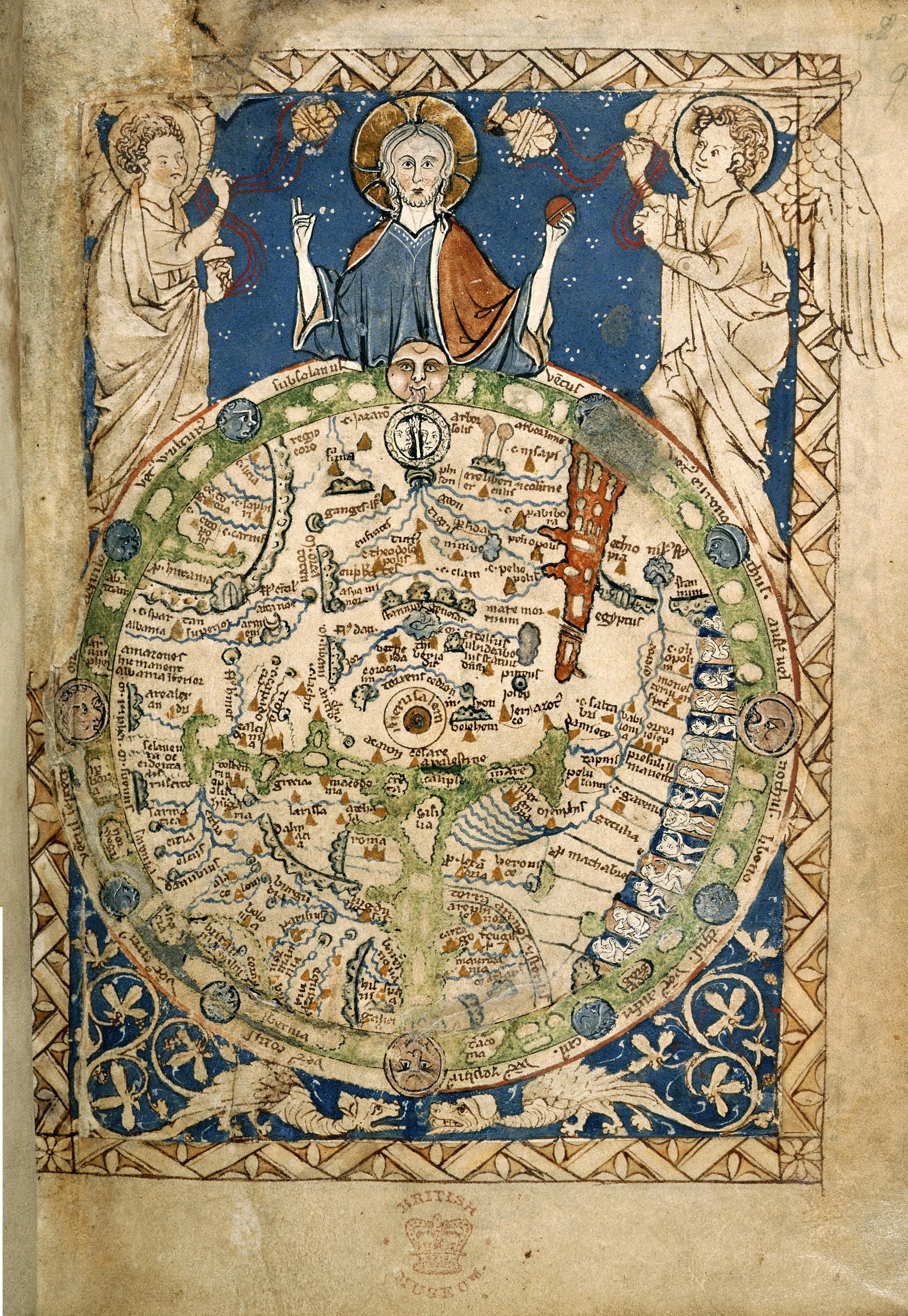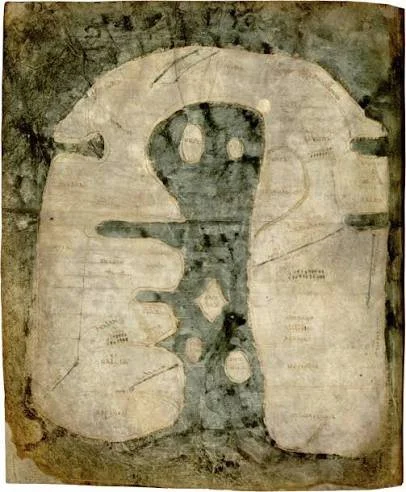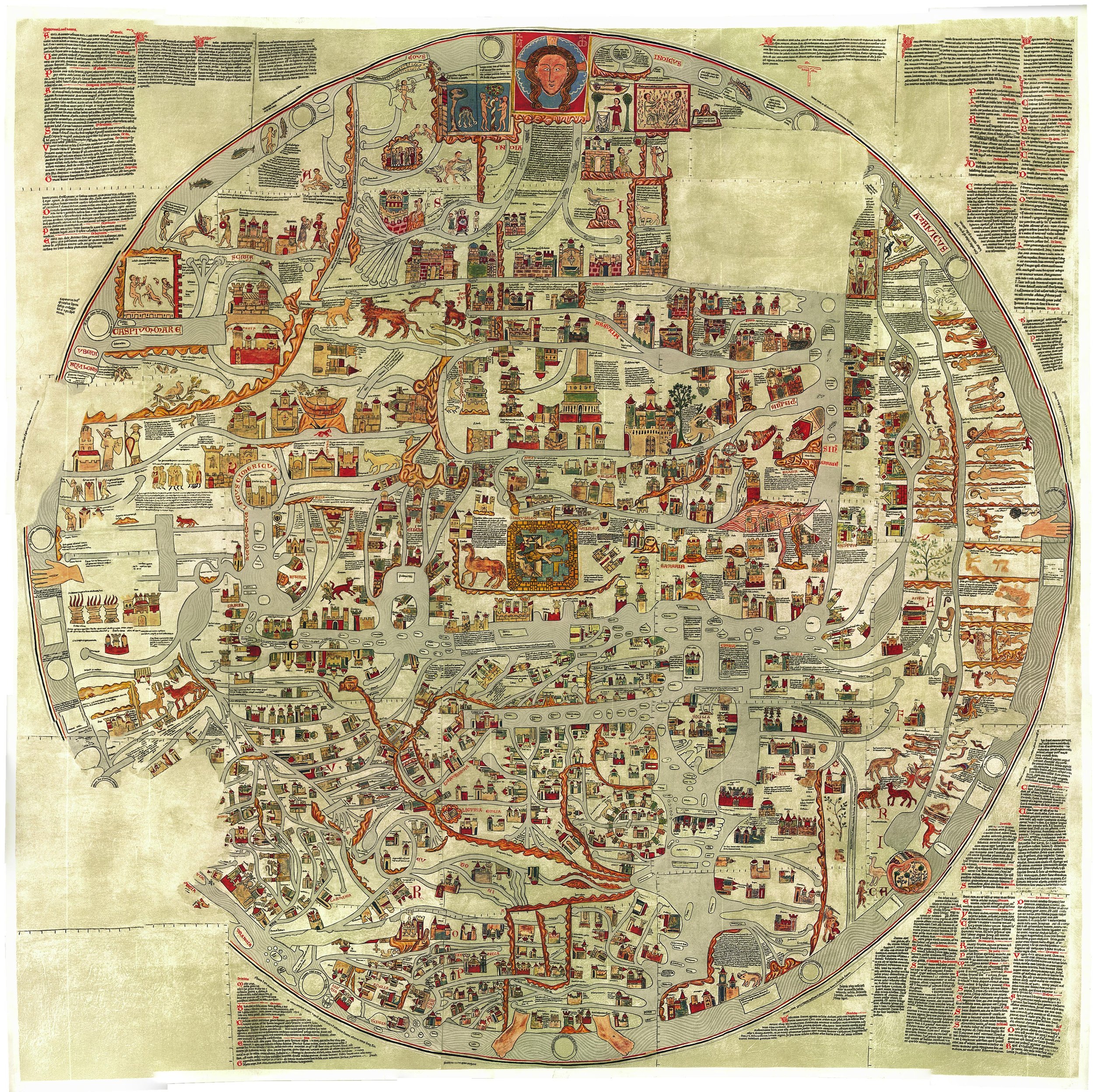
Virgil’s mapping of hell continues with an explanation of the seventh circle of hell. But gone is Aristotle and his golden mean of ethics. Instead, Virgil’s a scholastic. He divides the seventh infernal ring into smaller parts. What’s more, our poet weaves a wild tapestry of Aristotle, Boethius, Aquinas, the Gospels, and old Roman law into one explanation for violence.
Read MoreDante’s theological poem takes a dramatic turn with Virgil’s final bit of his map of the abyss in INFERNO, Canto XI. COMEDY is changing from one that diagnoses the human condition to one that diagnoses human society. It is the body politic that is sick. And fraud (not pride) is our greatest sin.
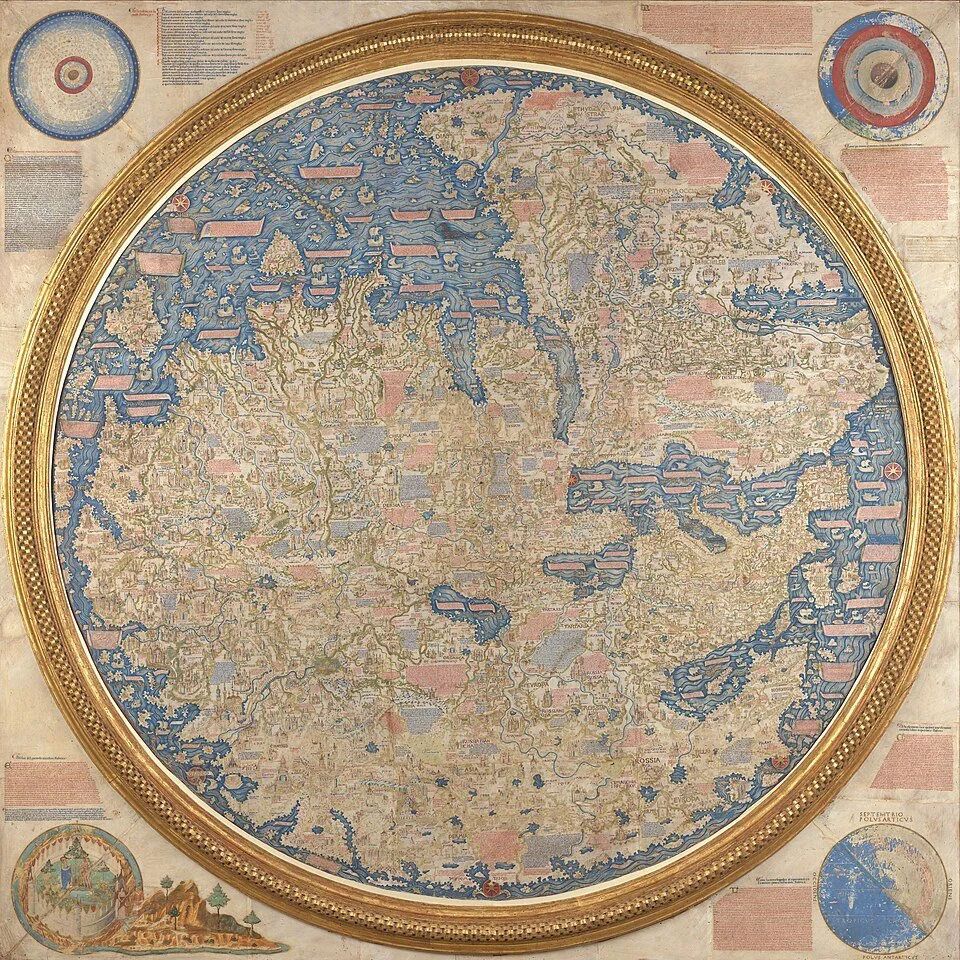
Read MoreVirgil has completed his map of hell. But maybe he’s not the cartographer he thinks he is. Our pilgrim has questions. And Virgil? He seems furious. What’s more, he doesn’t seem to be the Virgil we first met many cantos ago. Let’s explore the changing theology and the changing narrative itself in this complicated passage from COMEDY.
Read MoreDante has a second question for Virgil about his map of hell. What about those usurers? Why are they punished so far down at the bottom of the sins of violence? The answer is utterly unexpected: Virgil offers a theory of art.
Read More